Valentine Bear Scissor Skills: A Playful Design Asset for Kids' Activities
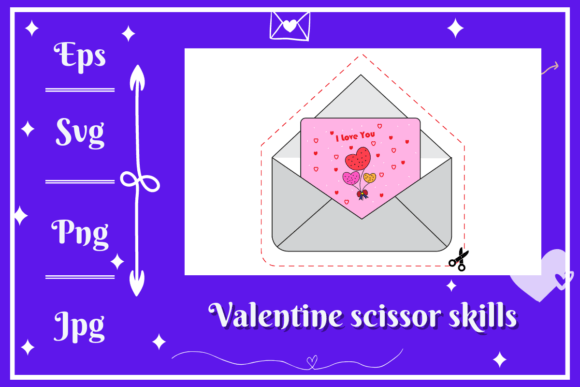
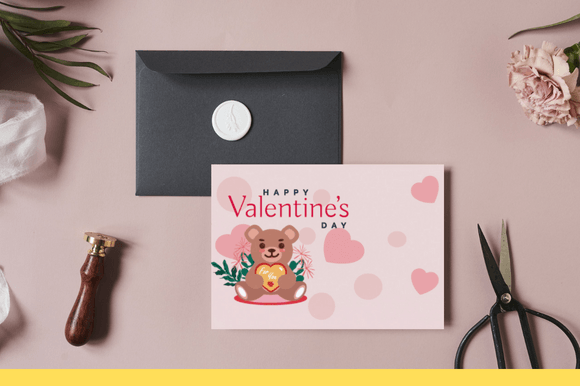
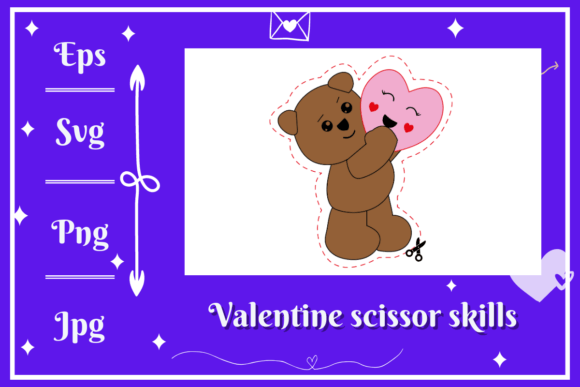
When you're building a product for children, especially one focused on developing fine motor skills, the visual language has to do more than just look cute. It needs to be engaging, clear, and safe. This is where the Valentine Bear Scissor Skills collection comes in. It's not a font, but a versatile vector illustration set designed to be the heart of activity books, printable worksheets, and creative projects centered around Valentine's Day. The core character is a charming, friendly bear, rendered in a style that's both simple enough for young children to recognize and detailed enough to hold their interest.
Understanding the Visual Appeal and Character
The Valentine Bear isn't just a generic illustration; it's a character with personality. The design typically features rounded, soft shapes, which are psychologically comforting and visually approachable for a young audience. The bear's expression is cheerful and neutral, avoiding any complex emotions that might confuse a child during a focused activity. The Valentine theme is incorporated through subtle details—a small heart, a tiny bow, or perhaps holding a valentine—which keeps the seasonal relevance without overwhelming the primary function of the scissor skills exercise. This careful balance is crucial. An overly detailed or stylistic illustration can distract from the dotted lines a child is meant to follow, but a boring one fails to motivate. The Valentine Bear hits the sweet spot, making the activity feel like a game rather than a chore.
Practical Applications in Publishing and Product Design
For creators on platforms like KDP or Etsy, this asset is a workhorse. Its primary home is in activity books, but its utility extends further. Consider using the bear as a reward sticker or a completion badge on a finished worksheet. In a scissor skills book, the bear can be the central figure that children cut out and then assemble into a simple puppet or card. The included file formats—PNG, JPG, EPS, and SVG—make this transition seamless. The transparent PNG files are perfect for layering in design software like Canva or Adobe Illustrator, allowing you to place the bear onto any background, whether it's a printable PDF page or a digital template for a coloring book. The vector files (EPS, SVG) are your best friends for scaling the design without quality loss, essential if you decide to use the bear on larger projects like posters for a classroom or as part of a logo design for a children's craft brand.
Integrating the Asset into Your Creative Workflow
Working with a design asset like this is straightforward, but a few professional tips can elevate your final product. First, always check the resolution. The provided 300 DPI files are print-ready, which is non-negotiable for physical products. The transparent background PNG file is particularly valuable, saving you hours of tedious clipping path work in Photoshop. This allows for quick mockups and professional-looking composites. When you're designing a page, think about visual hierarchy. The bear should support the activity, not overshadow it. Use it as a starting point or a destination on the scissor path, or as a decorative element in the margin. Its consistent style helps maintain a cohesive look throughout your book, which is a key part of building a brand identity as a publisher of high-quality children's materials.
Making the Most of the Included Files
The ZIP file's contents are structured for versatility. Here’s a practical breakdown:
- PNG (Transparent Background): Ideal for digital use, web graphics, and quick layering in design apps. Perfect for social media posts promoting your activity book.
- JPG: Useful for previews, mockups, or situations where a small file size is needed and a background color is acceptable.
- EPS & SVG (Vector): The professional choice. Use these for any project requiring resizing, such as printing on merchandise (t-shirts, mugs for a craft business) or for intricate editing in vector software like Adobe Illustrator or Affinity Designer. The SVG format is also excellent for modern web applications.
Before finalizing your design, test the asset in its intended environment. Print a test page to see how the lines reproduce. View the digital version on different screens to ensure the colors and details are clear. This due diligence ensures the end-user experience—whether it's a parent printing at home or a child using your published book—is positive and frustration-free.
Beyond the Page: Branding and Commercial Considerations
The value of a cohesive design asset like the Valentine Bear extends beyond a single product. If you're building a brand identity around children's educational content, using consistent, high-quality illustrations across your books, website, and social media builds recognition and trust. The bear can become a recognizable mascot for your Valentine's Day product line. When selecting any design assets, always clarify the licensing. This particular set is noted for its commercial use potential, which is vital for entrepreneurs and small business owners. Ensure you understand the terms for products you intend to sell, like KDP books or printable packs. The fact that the files are editable adds another layer of value, allowing you to modify colors or details to better match your specific project's palette, ensuring a perfect fit within your broader design assets library.
Ultimately, the Valentine Bear Scissor Skills collection is a practical tool designed for a specific, valuable purpose. It empowers creators to produce engaging, developmentally appropriate content for children with efficiency and style. By focusing on clear communication, visual appeal, and flexible file formats, it solves real design problems for publishers, crafters, and educators alike. Its strength lies in its focused application, making it a smart addition to any creative professional's toolkit for the season.